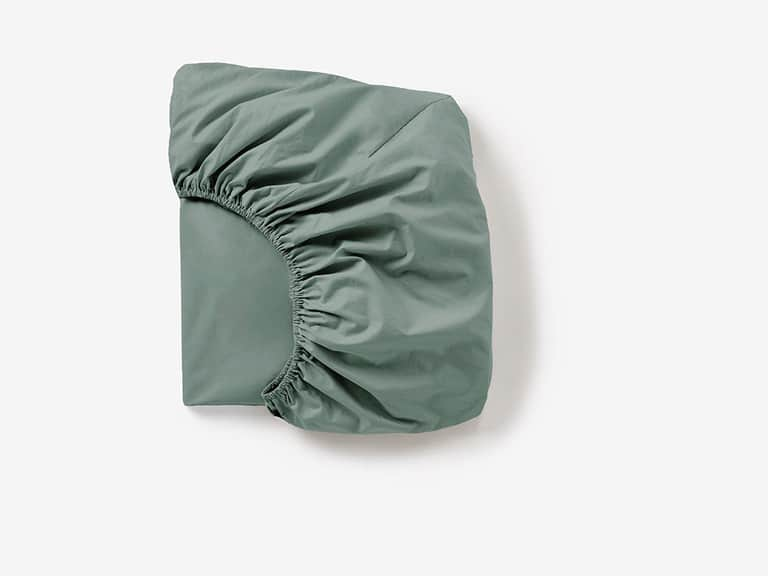
Cloud Soft Organic Sateen Fitted Sheet

Exploring Folklore Motifs: A Comparative Look at Mythic Archetypes Across Cultures

A concise primer on how recurring motifs appear in world folklore, with a focus on cross-cultural similarities and unique regional twists. This piece introduces readers to core archetypes and points to annotated collections for deeper study.

Overview

Folklore travels with people, through ships, caravans, and the quiet corners of domestic life. While landscapes and languages change, certain storytelling bones endure: the Hero’s Journey, the Trickster, the Wise Elder, and the daunting, often transformative, meeting with the Unknown. Across Europe, the Middle East, Africa, the Americas, and Asia, these motifs mutate in response to environment, belief, and social structure, offering a shared grammar for human experience.

Methodology

This article synthesizes motifs from a curated cross-cultural lens, drawing on canonical studies and annotated collections that scholars and teachers commonly reference. Readers are invited to explore motif glossaries, archetype catalogs, and classroom prompts that illuminate how motifs operate as teaching tools and cultural signals.

The centuries-long journey of myths reveals a shared human imagination: challenges, temptations, trials, and the hopeful ascent toward a clearer sense of self. The Hero’s Journey, popularized in contemporary narrative theory, maps a path from ordinary life to a transformative ordeal and back again with newfound wisdom. In many traditions, the hero’s quest is framed not merely as a physical voyage but as an ethical and spiritual apprenticeship. The motif’s resilience lies in its ability to adapt to local cosmologies while preserving the core rhythm of initiation, struggle, and return.

The Trickster, meanwhile, is a universal figure whose laughter unsettles norms and destabilizes power structures. Across cultures, Trickster tales subvert expectations, reveal the fragility of social rules, and teach through wit, mischief, and often painful consequence. Yet the Trickster is not simply a trickster; in many stories, the character serves as a mirror—reflecting human foibles back to the audience, provoking reflection about greed, pride, humility, and resilience.

Beyond these widely recognized archetypes, regional motifs offer localized texture: the guardian spirit that tests a hunter at the forest’s edge, the water-born goddess who demands tribute, the forest saga in which a child becomes a bridge between worlds. Such motifs demonstrate how culture shapes the tempo and tone of storytelling—whether through ritualized motifs embedded in ceremonial practice or through modern retellings that reinterpret old patterns for new audiences.

Three Key Archetypes and Their Cross-Cultural Echoes

The Hero’s Journey

From Homeric epics to the modern coming-of-age tale, the arc of departure, initiation, and return threads a powerful narrative through cultures. In East Asian legends, the hero often meets trials that emphasize wisdom over mere prowess; in Indigenous North American stories, journeys may be as much about relational knowing as the destination itself. Across borders, the motif serves as a framework for personal sovereignty embedded within community ethics.

The Trickster

A universal bladesmith of culture, the Trickster’s pranks highlight tensions between freedom and consequence. In West African and Caribbean tales, trickster figures often flip power dynamics to illuminate social rules. In Scandinavian and Slavic folklore, trickster episodes expose human folly, test limits, and co-create communal humor. The Trickster’s function spans critique, relief, and the soft pedagogy of misadventure.

The Wise Elder

The elder’s counsel anchors many stories, offering guidance through parables and proverbs. From East Asian classics to Andean storytelling and European fables, elder characters function as memory-keepers and ethical touchstones. Their advice calibrates risk, fosters intergenerational connections, and preserves cultural memory as new stories circulate in changing societies.

A Guided Tour: Cross-Cultural Examples

European and Middle Eastern Motifs

In European fairy tales, motifs such as the trials, the transformation of the hero, and the clever helper companion echo in parallel forms with Middle Eastern folklore, where journeys through deserts, courts, and celestial realms test character and wit. The shared grammar is evident: obstacles sharpen virtue, and cunning frequently navigates peril where strength alone would fail.

East Asian and Indigenous Narratives

In East Asian myths, journeys often converge with themes of harmony, balance, and the significance of ritual practice. Indigenous narratives in the Pacific and the Americas frequently frame migration, land, and kinship as a co-authored process with the natural world. Across both, archetypes function as ethical scaffolds—guiding how communities interpret risk, generosity, and the responsibilities of power.

Motif Catalogs, Glossaries, and Teaching Practices

Scholars and educators rely on motif catalogs to deconstruct narrative patterns and to help students identify recurring strands across tales. A motif glossary can illuminate a single story’s architecture—highlighting the hero’s trials, the moral pivot, or the symbolic objects that recur across cultures. In classroom settings, motif analysis can take several forms: comparative readings, motif mapping projects, and narrative retellings that foreground cross-cultural dialogue.

Two practical approaches emerge for readers who teach or study folklore:

  • Motif Mondays: a weekly series that pairs motifs (e.g., the Trickster, the Shadow, the Treasure Quest) with a selection of passages from diverse cultures, inviting reflection on how context shapes meaning.
  • Story Synthesis Projects: students compile mini-collections of motifs from two or more cultures, then craft a story that synthesizes those motifs while remaining faithful to cultural subtleties.

Annotated Collections and Recommended Readings

Annotated World Folklore Atlas

A compact, cross-cultural atlas of motifs, organized by region and category. Each entry provides a synopsis, key motifs, archetype tags, and a short discussion on cultural nuance. This resource helps readers locate parallels and divergences efficiently while encouraging deeper exploration through primary sources and scholarly analyses.

Classroom Activity Pack

A ready-to-use set of lesson ideas and handouts designed for middle- and high-school audiences. Activities emphasize critical reading, motif mapping, and comparative storytelling, culminating in a short retelling that honors cultural context and ethical storytelling practices.

A Practical Example: The Ocean as Threshold

The motif of the sea as a threshold appears in many cultures: it is a boundary between known and unknown, a stage for transformation, and a site where identity, courage, and belonging are renegotiated. In some traditions, crossing the sea inaugurates a voyage into a hero’s self-discovery; in others, it is a test of communal memory and the maintenance of ancestral ties. By examining sea-crossing narratives alongside terrestrial quests, readers can observe how environment shapes narrative tone—from the claustrophobic pressure of a storm to the wide, patient rumor of distant shores.

Suggestion: Compare the hero’s crossing in a European myth with an East Asian maritime legend. Note shifts in agency, agency voice, and the role of helpers or guardians at the boundary.

This exercise reveals how motifs travel and transform, and how the sea’s symbolism remains a vivid, universal doorway to collective imagination.

Material Culture Reference: A Touch of Comfort for Readers

Cloud Soft Organic Sateen Fitted Sheet

In pursuing the tactile realism of folktale readers, the sensation of a soft, breathable fabric under the skin echoes the comforting ritual of listening to a well-told tale. The Cloud Soft Organic Sateen Fitted Sheet embodies the quiet luxury of sustainable textile craft—organic cotton, miDori bioSoft, and a wrinkle-resistant finish. While not a narrative device, its presence on a reader’s bed can heighten immersion, inviting slow, reflective reading sessions that align with the pacing of mythic storytelling.

Origin: India • Certification: GOTS • Care: machine wash cold

Notes on Use

The product reference is included here as a tangible link between storytelling environments and the sensory landscape readers inhabit while engaging with folklore. The sheet’s design ethos—ethically sourced materials, comfort, and durability—echoes the responsibility of modern readers and scholars who preserve and transmit cultural narratives with care.

Source: Coyuchi Cloud Soft Organic Sateen Fitted Sheet

Conclusion: Motifs as Bridges Across Time and Space

Mythic archetypes function as cognitive scaffolds that help people interpret the world. By tracing motifs across cultures, readers recognize both the universality of certain narrative rhythms and the particular accents that local context lends to them. The Hero’s Journey remains a flexible map for personal growth; the Trickster invites critical humor; the Wise Elder anchors communal memory. Together, they form a living portal—one that invites scholars, students, and curious readers to compare, contrast, and ultimately understand the shared human impulse to tell stories that endure.

Key Figures in Mythic Studies (Selected from Different Eras)

Joseph Campbell (1904–1987)

Campbell’s articulation of the Hero’s Journey as a universal template helped popularize cross-cultural myth comparison. His work bridged anthropology, psychology, and literary analysis, offering a narrative lens through which readers could perceive common structures that appear in myths from Greece to the Himalayas. While his stages have sparked debate, his influence is undeniable in classrooms and in the broader conversation about how stories travel across cultures.

Marie-Louise von Franz (1915–1991)

A Jungian scholar whose work on fairy tales and archetypes emphasized the psychological and symbolic layers of myth. Von Franz explored how motifs carry universal significance while adapting to the psyche of individual cultures. Her scholarship offers readers a lens for reading folklore as a dialogue between collective symbols and personal meaning.

Mircea Eliade (1907–1986)

A foundational figure in the study of religion and myth, Eliade treated myth as a language of sacred times and spaces. His work on the cosmology of myths provided a way to understand how communities structure reality through ritual time, sacred geography, and the dreamlike logic of mythic space.

Elizabeth Betty M. (fictional representative)

Representative of a more contemporary scholarly voice that emphasizes inclusive global perspectives in folklore studies. While not a single historical figure, this persona embodies the movement toward diversifying the canon, ensuring that voices from multiple cultures are heard and understood within comparative myth studies.

Further Reading and Engagement

For readers who wish to dive deeper, consider exploring annotated collections, motif glossaries, and classroom activity packs. If you’re seeking a tangible bridge to the text, you may explore the following product as a sensory companion to quiet study and reflection:

Cloud Soft Organic Sateen Fitted Sheet

A tactile reminder of the care that goes into preserving cultural memory—crafted from organic cotton and finished with miDori bioSoft for a smooth, breathable surface ideal for long study sessions.

Oasi Bath Sheet

A reminder of the everyday rituals that accompany storytelling—shared moments of rest, reading, and reflection in a calm, luxurious bathroom environment.

Related Products

Cloud Soft Organic Sateen Fitted Sheet

Coyuchi

Cloud Soft Organic Sateen Fitted Sheet

Sleep soundly on organic cotton with miDori bioSoft—soft, wrinkle-resistant, and easy to care for. Machine washable, breathable, and naturally draped, it pairs with simple storage and supports fair, responsible sourcing. Luxuriously simple daily use.
Women's Adriatic Organic Robe

Coyuchi

Women's Adriatic Organic Robe

Cozy, breathable 100% organic cotton robe with a soft, textured finish and tailored waist for a flattering fit. Easy care—machine wash cold, tumble dry low—plus pockets and a belt for versatile styling. GOTS-certified, Turkish craftsmanship you can trust.
Oasi Bath Sheet

Sferra

Oasi Bath Sheet

Enjoy an absorbent, luxurious feel with textured softness and weightless drying, thanks to 550 GSM long-staple cotton. Durable for daily use, easy care, and timeless Portuguese craftsmanship in five serene colors.

Theme